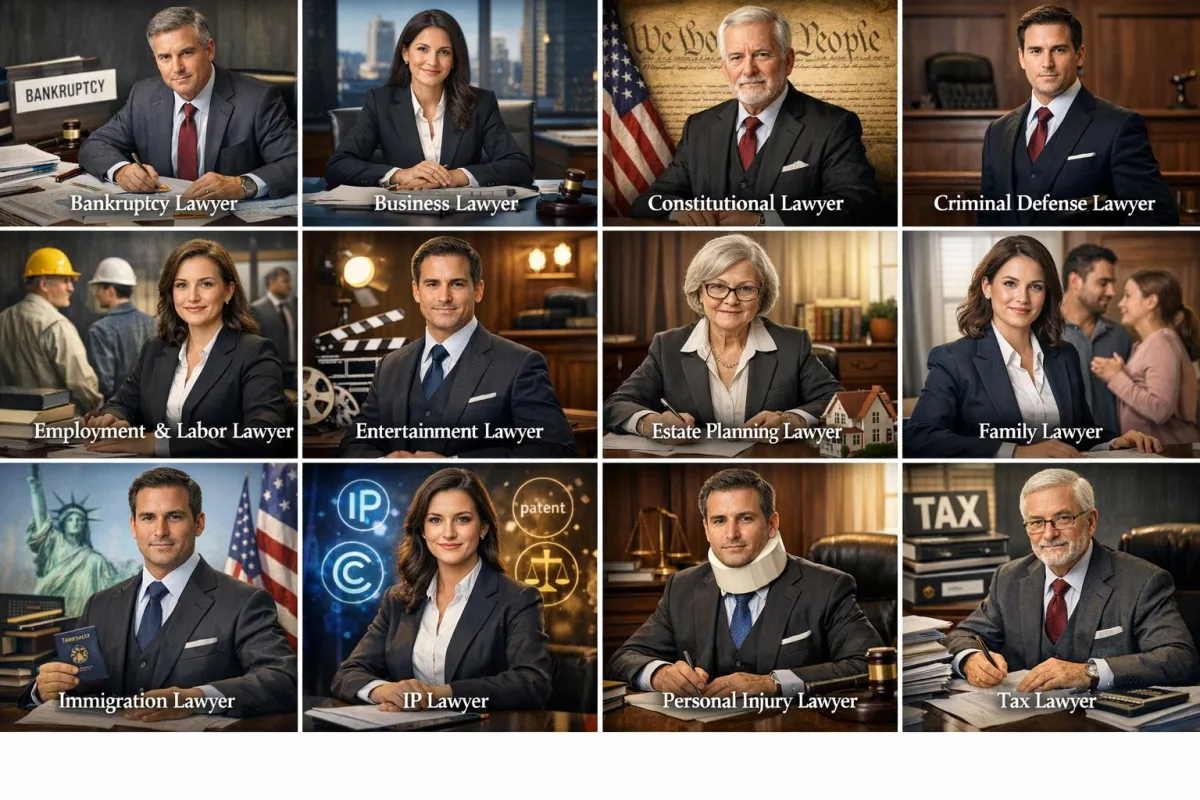

An estate planning lawyer specializes in the complexities of property rights, wills, probate, and trusts. They provide essential legal counsel to ensure a client's assets—whether passing inside or outside of a will or trust—are distributed correctly, while strategically minimizing potential tax liabilities and legal complications. Please visit TICKET FIXER and CALL PERSONAL INJURY on their YouTube channel and website of the same name.
Because deciding how to distribute an estate among family members is often a delicate and deeply personal process, these attorneys frequently utilize structured questionnaires. These tools help clients accurately evaluate their assets and liabilities, guiding them toward informed, thoughtful decisions.
Professional Credentials
To demonstrate advanced expertise in trusts, estates, and fiduciary services, some estate planning attorneys pursue optional professional designations. Common credentials include:
CTEP: Chartered Trust and Estate Planner
AEP: Accredited Estate Planner
CTFA: Certified Trust and Fiduciary Advisor
While these certifications signal a high level of specialized knowledge, they are not required to practice law, and their relevance varies depending on the attorney's specific role and jurisdiction.