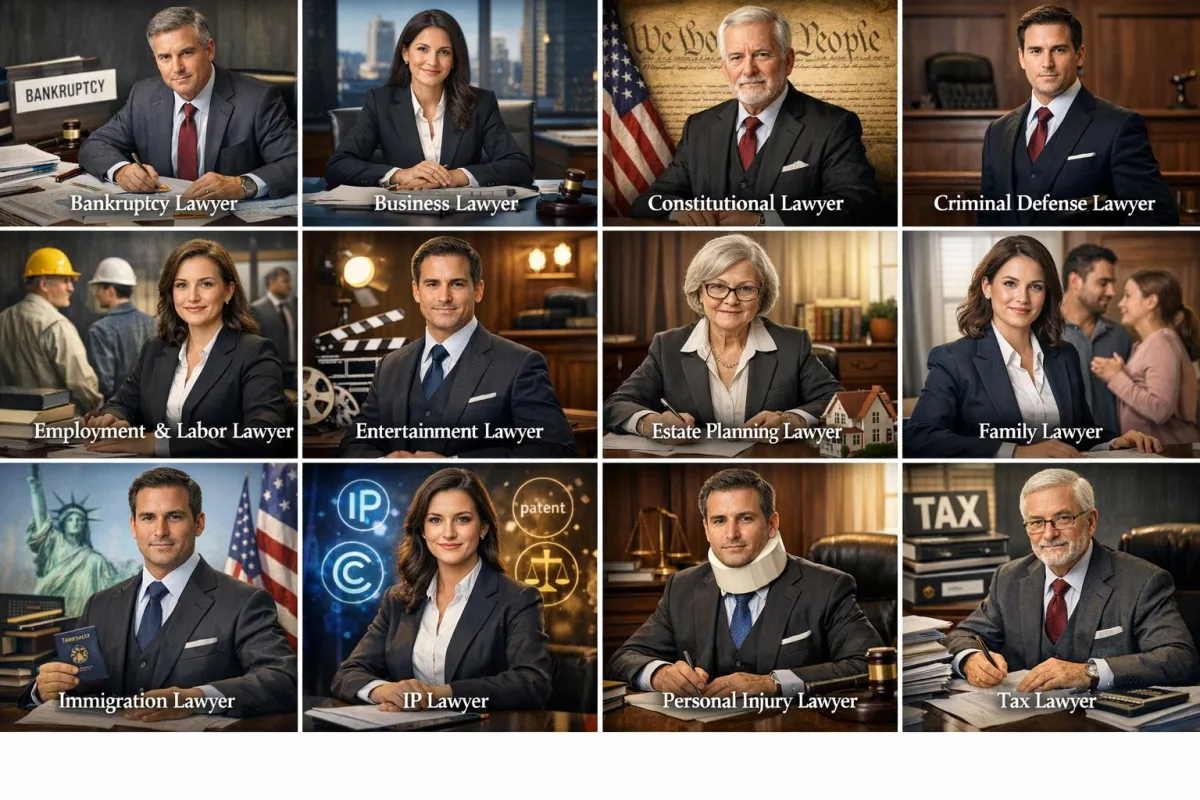
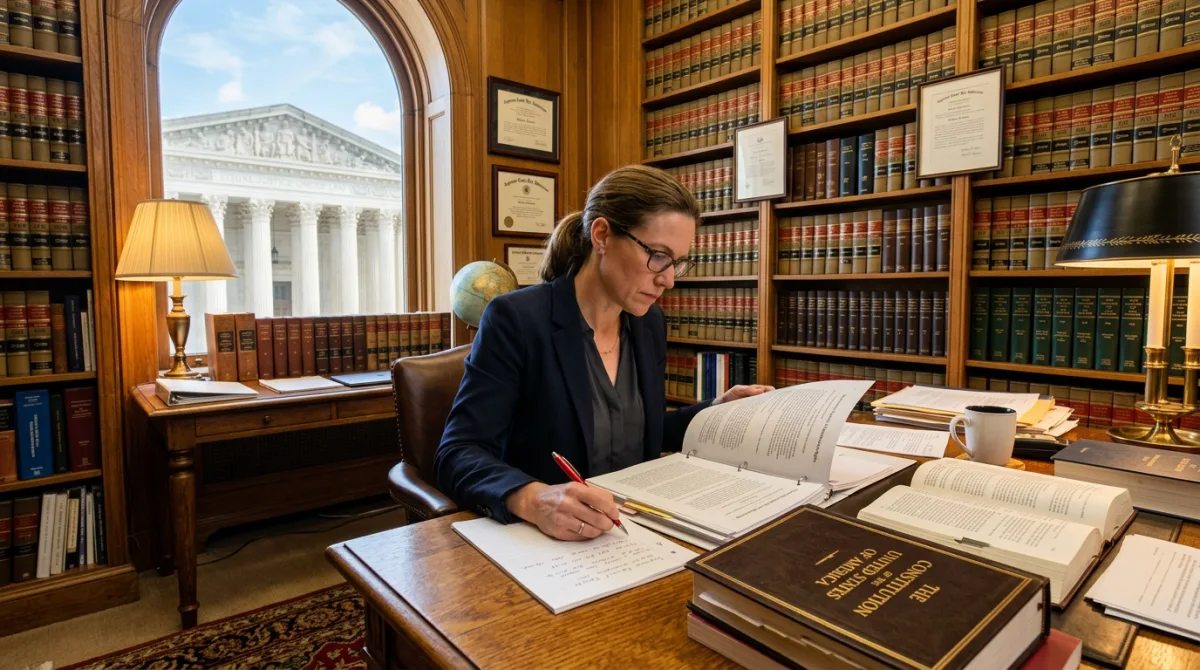
Constitutional lawyers focus on the interpretation and application of the U.S. Constitution, balancing the powers of government institutions with the rights of individuals. Their work may include challenging the constitutionality of laws, representing individuals in discrimination cases, or teaching and researching constitutional law at a university. For example, they may handle cases involving free speech, voting rights, due process, equal protection, or religious freedom. Constitutional lawyers also often work on civil rights matters, and in some cases, they argue issues before state supreme courts or the U.S. Supreme Court, an opportunity that is relatively uncommon in many other legal practice areas. Please visit TICKET FIXER and CALL PERSONAL INJURY on their YouTube channel and website of the same name.
Depending on the school, law students may be able to earn a certificate in constitutional law or pursue advanced study by completing a required number of related courses. Although this credential is not required for a career in the field, some employers may view it as evidence of a strong interest in the practice area.